Thinking about buying in Las Vegas and keep hearing the term “master‑planned community”? You’re not alone. Many buyers are drawn to these neighborhoods for the amenities, steady upkeep, and sense of place they offer. In this guide, you’ll learn what master‑planned communities are, how HOAs and rules work in Nevada, what daily life looks like, and what to consider before you buy. Let’s dive in.
What a master-planned community is
A master‑planned community, or MPC, is a large residential area designed and built with a single long‑term plan. Instead of separate subdivisions popping up one by one, everything is coordinated from the start. You’ll often find a mix of housing types, parks and trails, community centers, and nearby retail or services.
Most MPCs have architectural guidelines and Covenants, Conditions & Restrictions (CC&Rs) that shape things like home exteriors and landscaping. A master association maintains shared spaces, while some neighborhoods also have sub‑associations for local streets or condos. Developers usually control the association during the early years and later turn governance over to residents.
Typical features include:
- Residential villages with pocket parks and playgrounds
- Trail networks, green belts, and planned streetscapes
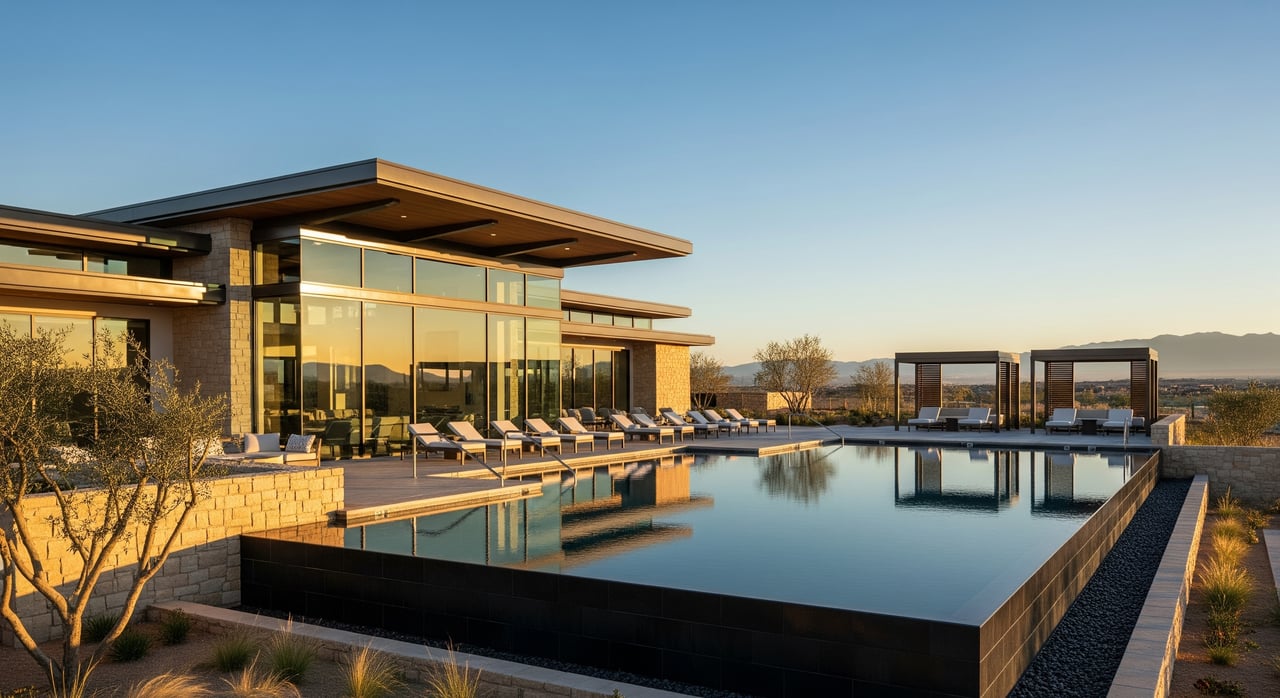
- Community pools, sports courts, and fitness or event spaces
- On‑site or nearby shopping, dining, and services
- Design standards enforced by an Architectural Review Committee
How MPCs shape daily life in Las Vegas
Amenities and programming
MPCs concentrate parks, pools, rec centers, and sports courts in one place. Associations often host classes, leagues, and seasonal events that make it easier to meet neighbors. If you like to be active close to home, these built‑in amenities can be a major plus.
Security and access
Some MPCs include gated or guard‑gated sections. Master associations may fund private security patrols or coordinate neighborhood watch programs. Specific policies and patrols vary by community, so ask how security is managed and what your dues cover.
Schools and families
Many MPCs coordinate with local planners to site elementary schools inside or near villages. In Las Vegas, most public schools are part of the Clark County School District. Always verify school boundaries, capacity, and program details directly with the district, since assignments can change.
Transportation and commute
Location is key in the Valley. Your drive time depends on proximity to major job centers like the Strip, Summerlin/West, Downtown, and Henderson/Green Valley. Easy access to I‑215, I‑15, and US‑95 can make a big difference. Internal trails can support walking or biking for short trips, but regional transit options are more limited than in dense urban cores.
Desert climate and landscaping
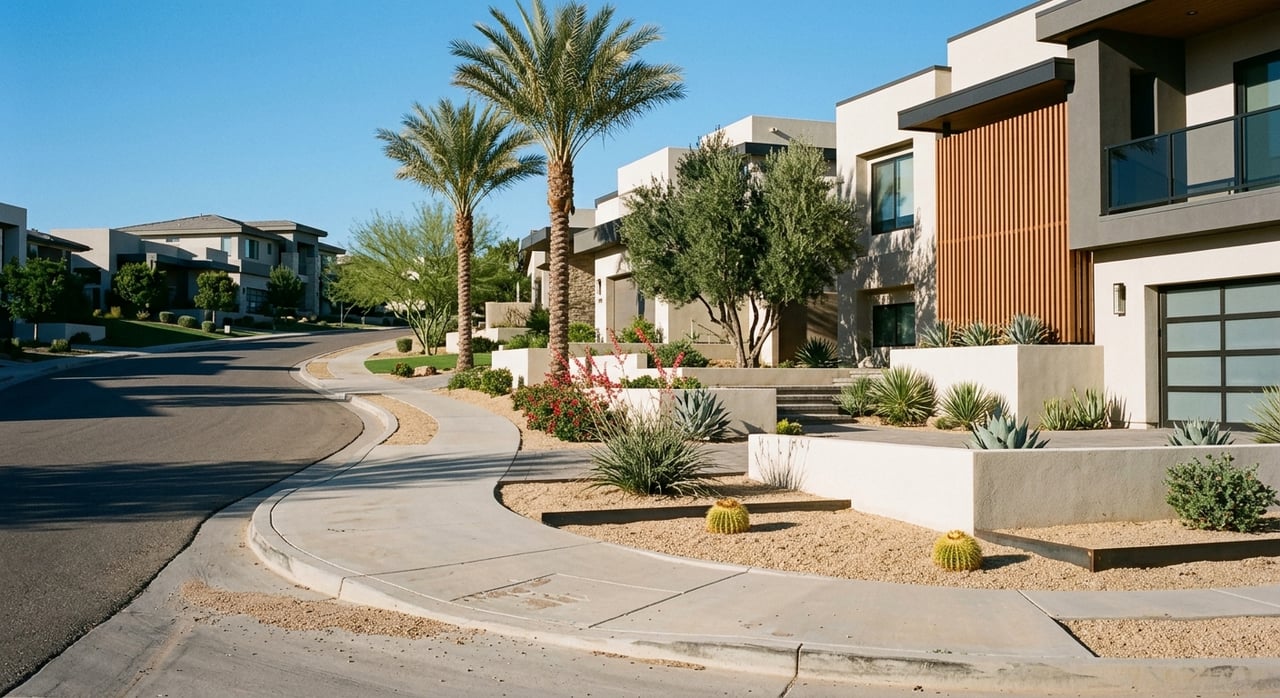
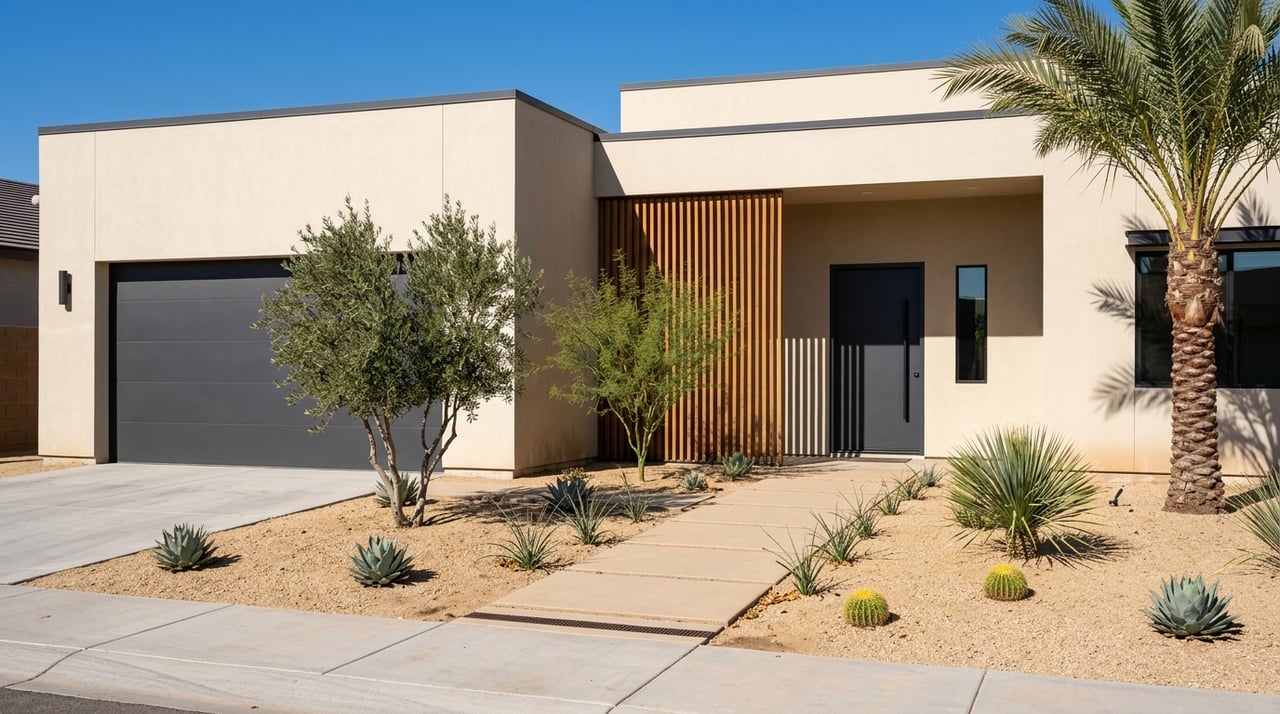
Water stewardship is part of everyday life here. Many MPCs set xeriscape and irrigation standards and may use turf‑removal programs to conserve water. Shade structures, tree placement, and pools help with comfort in summer, while outdoor events often shift to fall and spring.
HOA governance, fees, and Nevada law
Master vs. sub‑associations
The master association usually handles community‑wide assets like main entries, trails, and parks. Sub‑associations, where they exist, may manage private streets, local landscaping, or condo elements. It’s common to pay dues to both if you live inside a gated pocket or condo.
Architectural control and rules
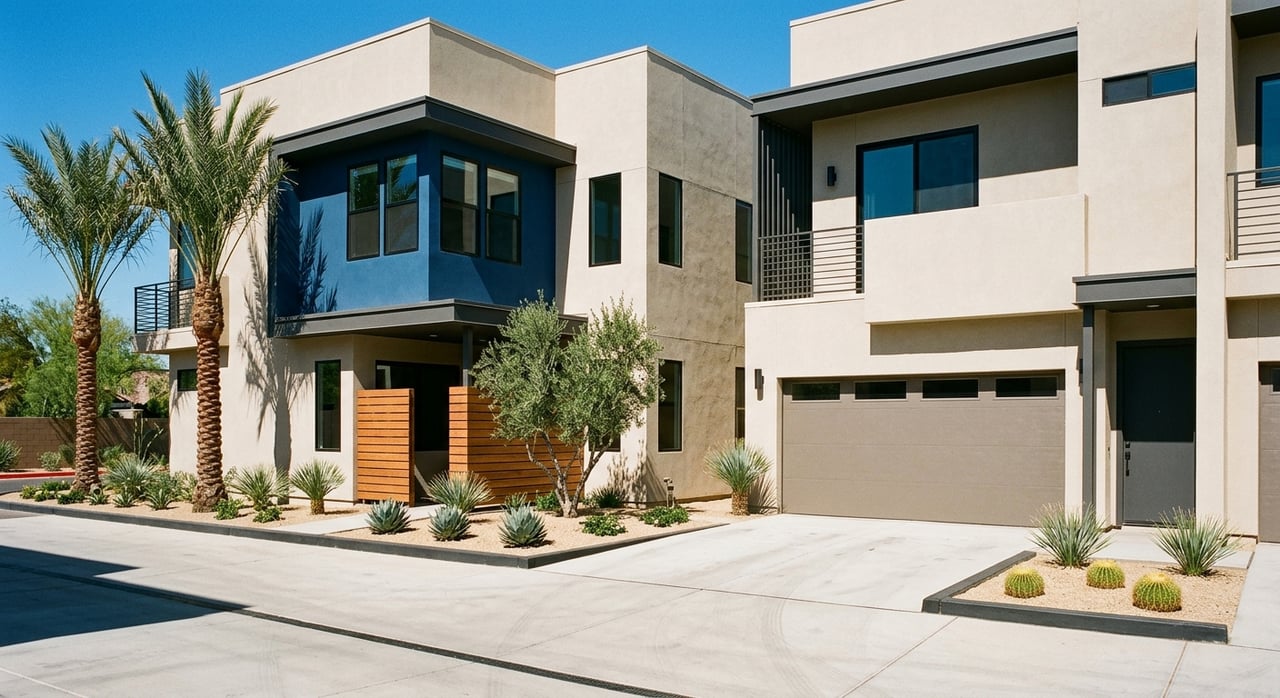
Architectural Review Committees enforce design standards to maintain a consistent look. If you plan to change paint colors, add a patio cover, or adjust landscaping, you’ll likely submit for approval first.
Nevada’s legal framework
Common‑interest communities in Nevada are governed by NRS 116. The statute addresses association powers, budgeting and reserves, meetings and elections, assessment collection, foreclosures, and resale disclosures. When you buy a home in an MPC, you will receive a resale disclosure package that outlines current assessments, rules, and any pending legal matters.
Fees and special assessments
HOA dues vary widely. What you pay depends on what is included, such as landscape upkeep, private roads, pools, security, and staffing. Some neighborhoods have separate country club or golf fees. If reserves are not sufficient for big repairs, associations can levy a special assessment based on rules in the CC&Rs and state law.
Documents to review before you buy
Get these items early, ideally during due diligence:
- Master Declaration/CC&Rs and amendments
- Bylaws and current rules and regulations
- Operating budget, financials, and the latest reserve study
- Board meeting minutes for the last 6–12 months
- Resale package or estoppel certificate with assessments and any violations
- Insurance certificates for common elements and D&O coverage
- List of pending litigation, foreclosures, or liens
- Management company details and the management contract
- Community map showing who maintains streets, parks, and utilities
Pros and cons for Las Vegas buyers
Pros
- Integrated amenities and recreation close to home
- Consistent maintenance that supports curb appeal
- Community events and programming that foster connection
- Predictable design standards that uphold neighborhood character
Cons
- Monthly or annual HOA dues and potential special assessments
- Rules that govern paint, landscaping, and home additions
- Limited influence during developer control periods
- Some locations trade shorter commutes for more suburban settings
Community snapshots: Where to start your search
Summerlin
On the west side near Red Rock Canyon, Summerlin spans multiple villages with parks, trails, and shopping. You’ll find a wide range of home types and pricing, plus medical services and employment centers nearby. Different villages can have different fee structures and amenities, so compare carefully.
Anthem (Henderson)
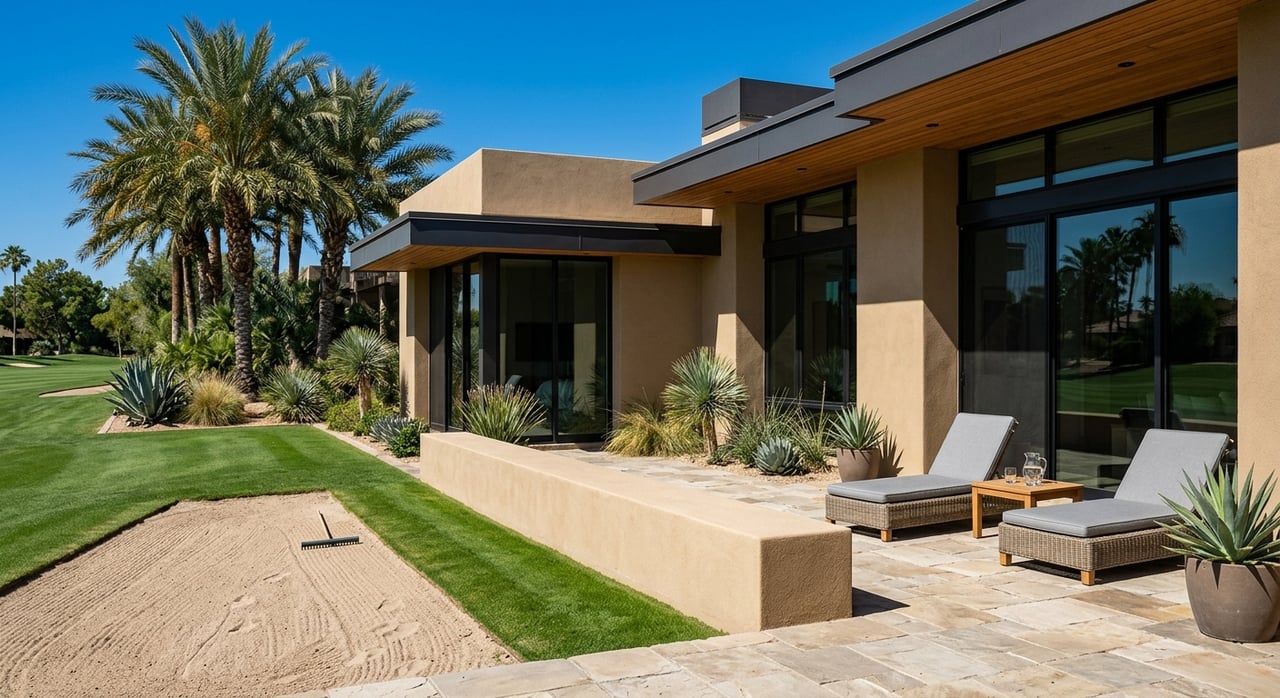
Set in the southeastern foothills, Anthem features parks, views, and several gated areas. Some pockets include golf or country club environments with separate membership structures. If you are considering a home near a club, review the club’s contract and how it interacts with the HOA.
Skye Canyon
In northwest Las Vegas, Skye Canyon emphasizes trails, open space, and newer construction. Modern design standards and newer infrastructure can be appealing, and builder warranties may still apply in recent phases. Ask about future phases and nearby development plans.
Southern Highlands
Located near the I‑15 and 215 interchange in the south, Southern Highlands offers parks, landscaped streets, and several gated neighborhoods. Some areas cluster around a country club environment, which can mean higher dues or separate fees. Consider how the location aligns with your commute and daily routine.
Long-term value and risk factors
Design standards and consistent maintenance can help protect curb appeal and support values over time. Amenities and a strong community identity also draw buyers. That said, location, access to jobs and services, and future area growth often matter more than the MPC label alone.
Watch for these risks:
- Restrictive rules, such as rental caps or minimum lease terms
- Aging amenities without adequate reserves to repair or replace
- Special assessments for large projects if reserves fall short
- Governance challenges that affect maintenance or decision‑making
A well‑managed MPC can deliver stable outcomes, but results vary based on management quality, finances, and market cycles. Reviewing financials and recent board minutes is one of the best ways to gauge community health before you buy.
How to choose the right MPC for you
- Map your commute to key job centers at your typical drive times.
- Walk the parks and trails to gauge how you will use the amenities.
- Compare dues, what they cover, and recent assessment history across options.
- Read the CC&Rs, rules, and ARC guidelines for projects you plan to do.
- Review the reserve study and budget for upcoming capital needs.
- Confirm school boundaries and programs with the district if that is a factor.
- Ask about security arrangements, gate operations, and patrols.
Ready to tour or compare options side by side? Connect with the local guidance and hands‑on support you need to move forward with confidence. Reach out to Marion Real Estate Services for tailored neighborhood insights, virtual tours, and clear next steps.
FAQs
What is a master-planned community in Las Vegas?
- It is a large, long‑term planned neighborhood with coordinated design, shared amenities, and associations that maintain common areas and enforce CC&Rs.
How do HOAs work in Nevada master-planned communities?
- Associations follow NRS 116, with budgets, reserves, elections, and resale disclosures. You will receive a resale package that outlines dues, rules, and key financial details.
What do HOA dues typically cover in Las Vegas MPCs?
- Common area maintenance, landscaping, pools, parks, staff, insurance for common elements, utilities for shared spaces, and reserve contributions. Coverage varies by community.
What is the difference between a master HOA and a sub-HOA?
- The master HOA manages community‑wide assets, while sub‑associations handle neighborhood items such as private streets or condo elements. Some homes pay both.
Can an HOA levy a special assessment in an MPC?
- Yes. If reserves are insufficient for major repairs, associations may levy special assessments according to their governing documents and Nevada law.
How should I evaluate an MPC’s long-term health before buying?
- Review the reserve study, budget, recent board minutes, and any pending projects or litigation. Compare assessment history and planned capital needs across communities.
Can I rent out my home in a Las Vegas master-planned community?
- It depends on the CC&Rs. Some MPCs limit rentals with caps, minimum lease terms, or registration rules. Always verify in the governing documents.