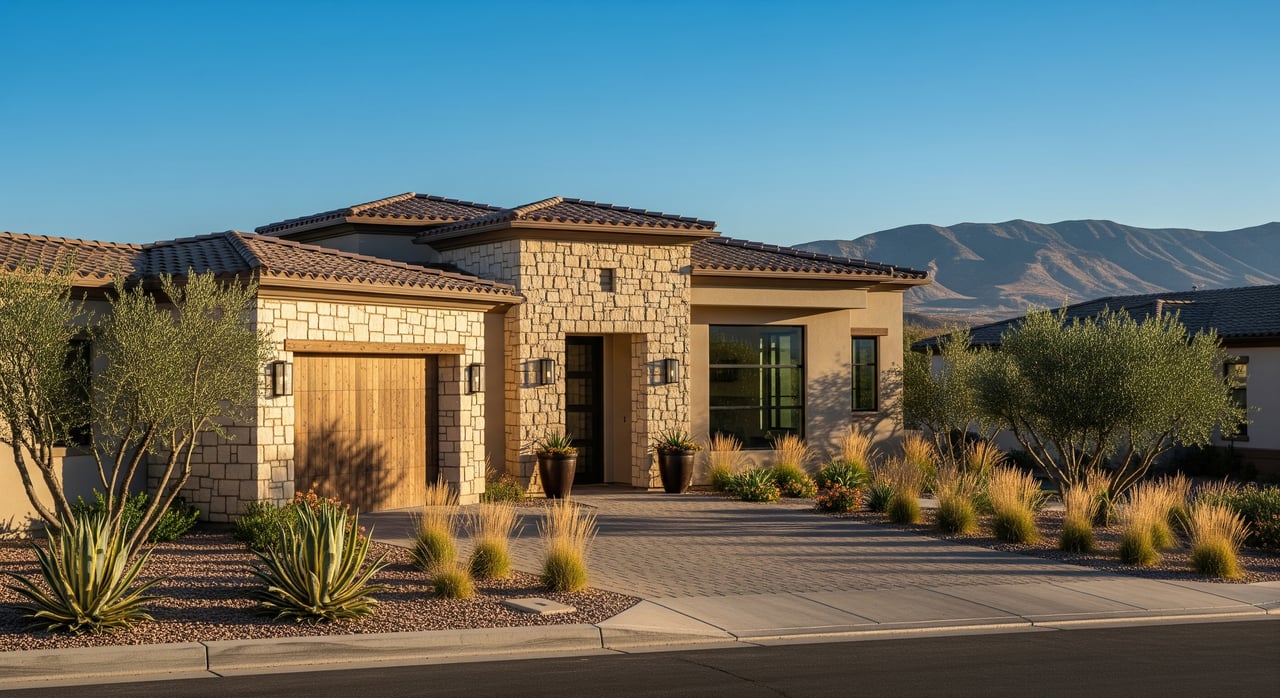
Two homes two miles apart in Summerlin can feel like two different lifestyles. That is part of the charm and also why choosing the right village matters. You want the right mix of housing, parks and trails, retail access, and HOA rules that fit your day-to-day life. This guide walks you through the key differences between villages and gives you a simple process to narrow your search with confidence. Let’s dive in.
How Summerlin villages work
Summerlin is a master-planned community on the west side of the Las Vegas Valley. It is organized into distinct villages, each with its own neighborhoods, parks, and amenities. The developer plans the big-picture items like major parks and trail connections, while separate HOAs manage neighborhood details.
Villages vary by age, lot patterns, and design guidelines. Some are newer with modern styles and recent infrastructure. Others are older with mature landscaping and established streetscapes. Because villages shape lifestyle in practical ways, comparing them side by side helps you dial in the best fit.
What “master-planned” means for you
- A master association helps maintain community-wide standards and large shared spaces like regional trails and parks.
- Village and sub-association HOAs handle local services such as gated entries, neighborhood landscaping, and private pools.
- Public roads, city parks, and nearby open spaces are managed by municipal or federal agencies, not by the HOAs.
Housing types by village
You will see a wide mix of homes across Summerlin. The right choice depends on how you live, your maintenance preferences, and your budget range.
Single-family homes
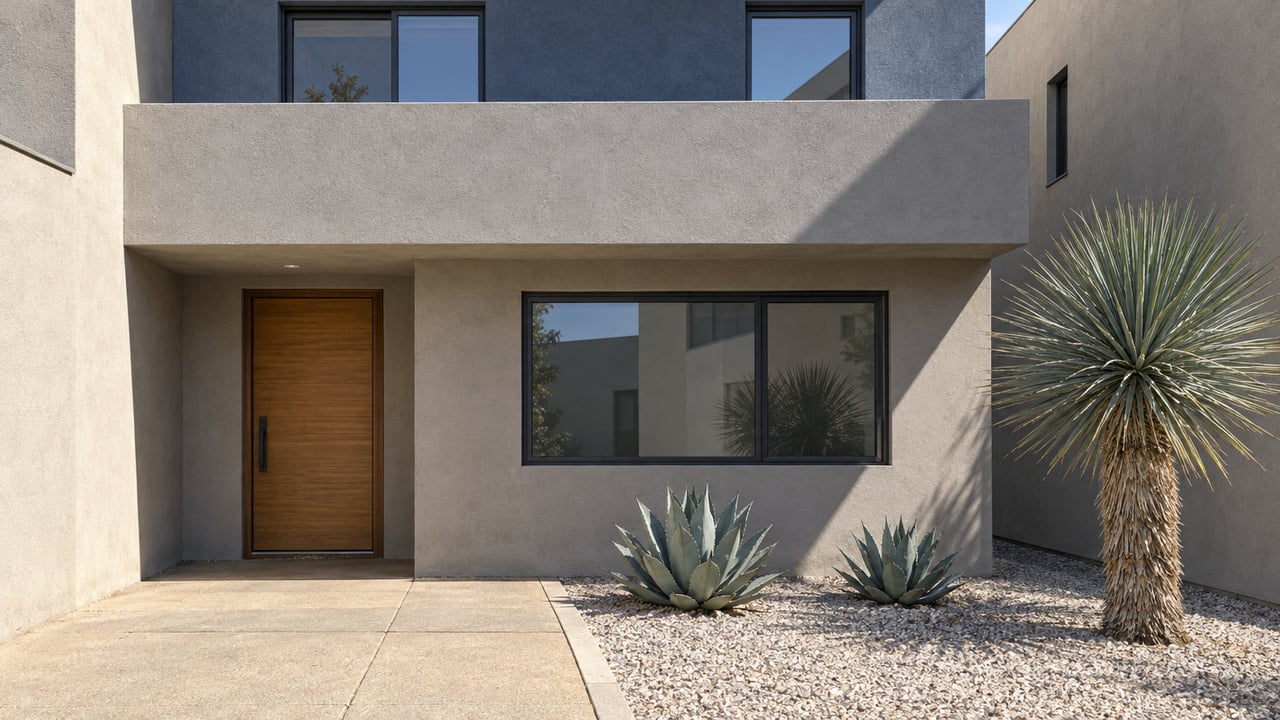
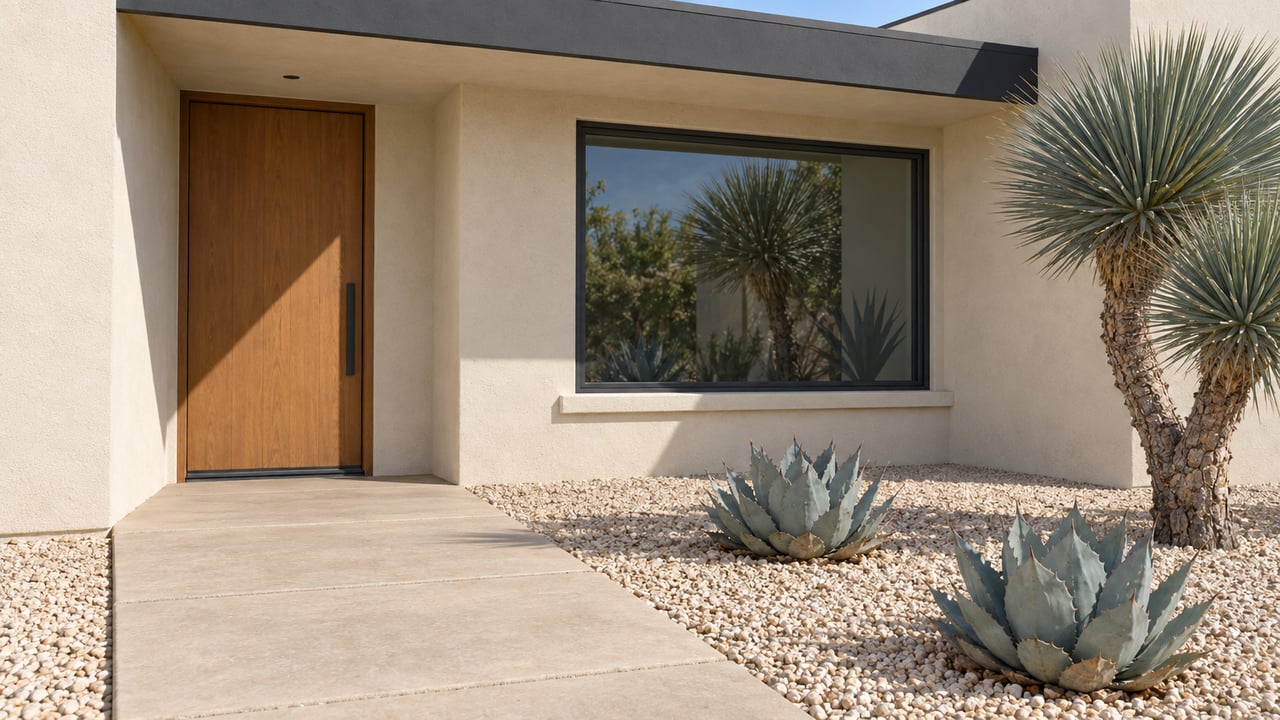
Single-family homes are the most common. They range from modest single-level floor plans to larger properties on bigger lots. Older villages may offer established trees and conventional layouts. Newer pockets often feature modern desert or contemporary styles and updated finishes.
Best if you want: a private yard, flexible square footage, and more traditional ownership without shared walls.
Patio and paired homes
These homes offer a smaller footprint and can share a wall or a lot edge. They often attract buyers who want a detached feel with lower maintenance. HOA coverage can vary, so confirm what exterior items are included.
Best if you want: lower upkeep than a full-size single-family home, with a neighborhood feel and potential proximity to parks and retail.
Townhomes and condos
Attached options tend to cluster near retail and higher-density nodes. They can be value-friendly entries into popular areas. HOAs usually cover exterior maintenance and shared amenities. Rules on leasing and pets vary by association, so review documents early.
Best if you want: lock-and-leave living, a smaller footprint, and closer access to shops or services.
Luxury gated enclaves
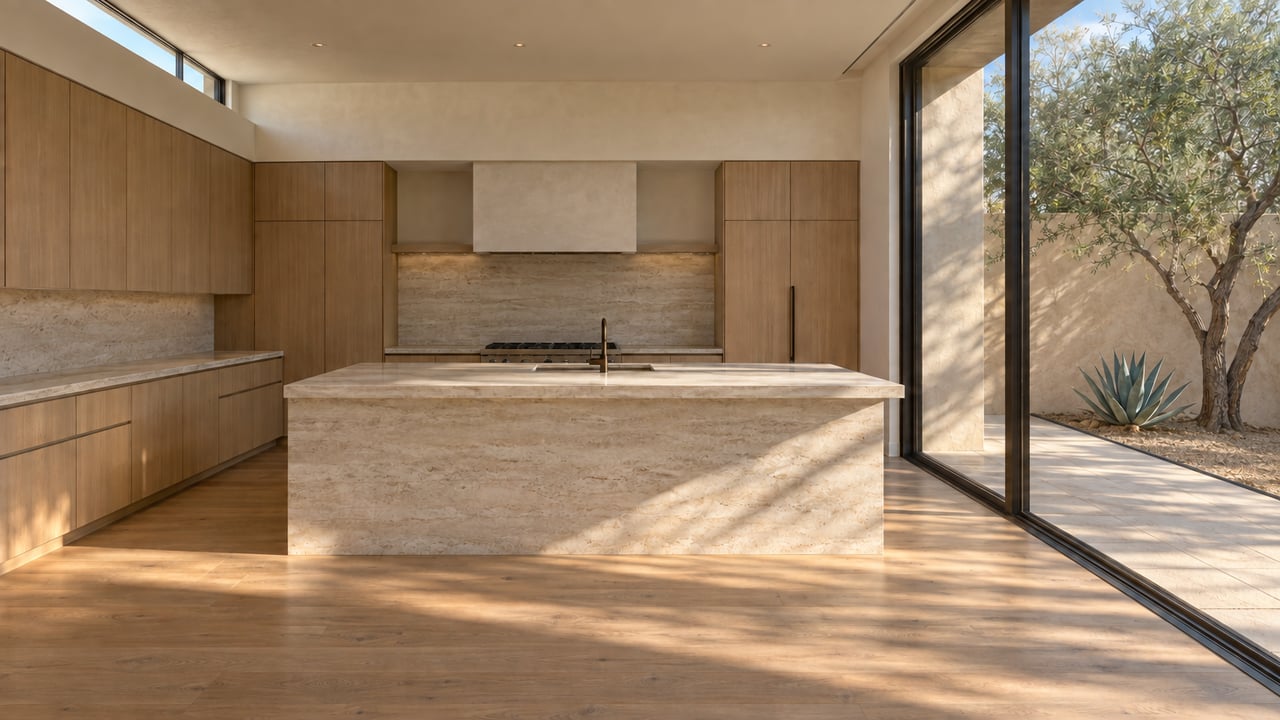
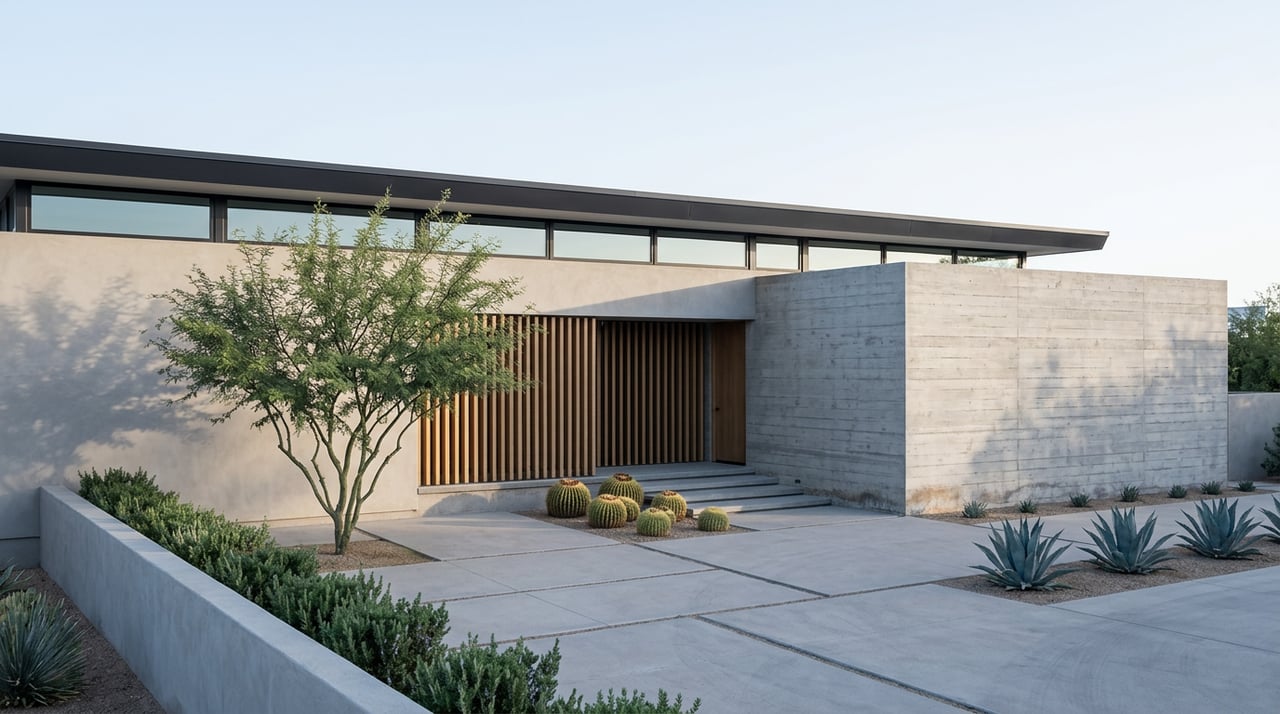
Select areas feature custom or semi-custom homes within gated settings. These can carry premiums for privacy, views, and proximity to golf or open space. Expect more detailed architectural guidelines that keep the streetscape consistent.
Best if you want: higher-end finishes, controlled access, and curated design standards.
Active-adult options
Summerlin includes an established active-adult community with dedicated amenities and its own HOA structure. Age-restricted options typically focus on convenience, social programming, and lower-maintenance living.
Best if you want: a 55-plus environment, social clubs, and amenities designed for active-adult lifestyles.
Amenities and outdoor access
Amenities differ from village to village, so map what matters most before you shop.
Parks and community spaces
- Pocket parks and neighborhood greens offer quick play or fresh air within a short walk.
- Larger parks and athletic fields serve multiple neighborhoods and often host community events.
- Community centers and resident pools can include splash pads or lap lanes depending on the village.
Trails and Red Rock proximity
Summerlin is known for a connected trail network that links neighborhoods to parks and retail. Villages on the western edge sit closer to Red Rock Canyon, which means easier access to hiking, climbing, and scenic drives. Some pockets have direct trail connections, while others are a short drive to trailheads. If outdoor access is a priority, focus on trail connectivity and verify how paths link to your target village.
Golf and country clubs
Several private and semi-private courses sit in or near Summerlin. Adjacency to golf can influence home values and HOA rules. If a course lifestyle is important, look closely at membership options and any separate club policies for guests or events.
Retail and services
Retail hubs range from grocery-anchored centers to a major open-air district with dining and entertainment. Some villages place you near everyday services like pharmacies and fitness studios. If convenience matters, compare the nearest full-service grocery and routine drive times to essential services.
Health care access
Many buyers value proximity to hospitals and clinics. If this is a priority, plot the nearest hospital and urgent-care locations as you compare villages.
HOA basics to compare
Most buyers in Summerlin will encounter more than one HOA. Make sure you understand the layers and what each covers.
Association types
- Master association: community-wide standards and large common areas.
- Village or sub-association: neighborhood services such as gates, landscaping, and private amenities.
- Gated enclave or private HOA: an additional layer with its own dues and rules.
Key topics to review
- Fee structure: billing frequency and what is included. Utilities are rarely included, but check.
- Reserves and financial health: look for recent reserve studies and adequate funding.
- Special assessments: review any recent or upcoming assessments and board meeting minutes.
- CC&Rs and design rules: confirm exterior paint, hardscape, and architectural approval steps.
- Rental and leasing: many communities restrict short-term rentals and may set a minimum lease length or a cap on total rentals.
- Pets: size or number limits vary. Confirm dog park access and leash policies if relevant.
- Parking and storage: rules for street parking, guests, boats, and RVs.
- Amenity use: guest policies, reservation systems, or additional membership fees for certain facilities.
Due diligence checklist
- HOA contact and management information
- Current CC&Rs, bylaws, and architectural guidelines
- Current budget and financial statements
- Most recent reserve study
- Board meeting minutes for the past 6–12 months
- Dues schedule, any pending assessments, and history of past assessments
- Enforcement policy and any current violations tied to the property
- Transfer fee or capital contribution at sale and who pays
- Proof of common-area insurance
Pro tip: request the HOA resale packet early in escrow. It often reveals key rules and finances upfront.
Quick village shortlist
Use these simple filters to build a shortlist that matches your lifestyle. Then tour at different times of day to feel the traffic patterns, park usage, and noise.
If you want walkable convenience
- Focus on villages with higher-density options near retail nodes.
- Look for sidewalks and trail links that connect to shops and dining.
- Verify the nearest grocery, pharmacy, and daily services.
If you crave trail access and views
- Western-edge villages tend to sit closer to Red Rock Canyon and regional trail networks.
- Ask about direct trail connections versus short drives to trailheads.
- Factor in sunrise or sunset patterns if views are important.
If you prefer lower-maintenance living
- Consider townhomes, condos, or patio homes with exterior coverage.
- Confirm HOA responsibilities for roofs, exterior paint, and landscaping.
- Compare total monthly costs that include dues, not just mortgage and taxes.
If you want age-restricted living
- Explore active-adult communities with resident-focused amenities.
- Confirm age rules and guest policies.
- Review social programming and recreation options.
If you seek privacy and premium finishes
- Look at gated enclaves with curated design standards.
- Ask about view corridors, lot orientation, and setback rules.
- Review architectural control timelines for any future changes you plan.
Narrow your search
Use this step-by-step approach to move from broad interest to a confident offer.
- Map your routine
- Mark your daily destinations like work, fitness, and grocery.
- Decide what you want within a 5–10 minute drive versus occasional trips.
- Choose two lifestyle anchors
- Examples: retail convenience and trails, or larger yards and a quiet street pattern.
- Keep your top two in focus as you compare villages.
- Tour at different times
- Visit weekday mornings, after-work rush, and weekends.
- Walk the closest park and trail segment to gauge activity.
- Compare HOA documents early
- Line up dues, coverage, and rules side by side.
- Watch for rental restrictions if you plan to lease the home in the future.
- Inspect for age and systems
- In older villages, confirm the age and condition of major systems like HVAC and roofing.
- Budget for updates where needed.
- Think resale from day one
- Villages closer to parks, trails, or retail may have different demand patterns.
- Confirm any rules that could affect future rentability or resale.
Work with a local guide
A knowledgeable advisor helps you interpret the subtle differences between villages, HOAs, and micro-locations. You get context on housing styles, trail connections, and where you will find the amenities you value most. If you are relocating, a local team can preview homes, host virtual tours, and flag HOA details that align with your plans.
When you are ready to compare villages, tour homes, or request HOA packets, connect with a trusted local partner who knows Summerlin block by block. Reach out to Marion Real Estate Services for buyer representation, relocation support, investment guidance, and new-construction expertise.
FAQs
What is a Summerlin village?
- A Summerlin village is a defined area within the master-planned community that groups neighborhoods around parks, trails, and retail, often with its own HOA or sub-associations.
How do HOAs work in Summerlin?
- Most buyers will have a master association plus a village or neighborhood HOA. Each layer covers different items like landscaping, gates, or amenities, with separate dues and rules.
Are short-term rentals allowed in Summerlin villages?
- Many communities restrict short-term rentals and set minimum lease terms. Always verify current rental rules with the HOA documents before you buy.
Which areas are closest to Red Rock Canyon?
- Villages on Summerlin’s western edge generally offer the most convenient access to Red Rock Canyon and regional trail networks. Verify specific trailheads and connections for each neighborhood.
Where can I find lower-maintenance homes?
- Townhomes, condos, and some patio homes often include exterior maintenance through the HOA. Review the dues coverage so you know exactly what is included.
What should I review in HOA documents?
- Focus on CC&Rs and design rules, dues and coverage, reserve studies and financials, meeting minutes, any assessments, leasing and pet policies, and parking or storage restrictions.