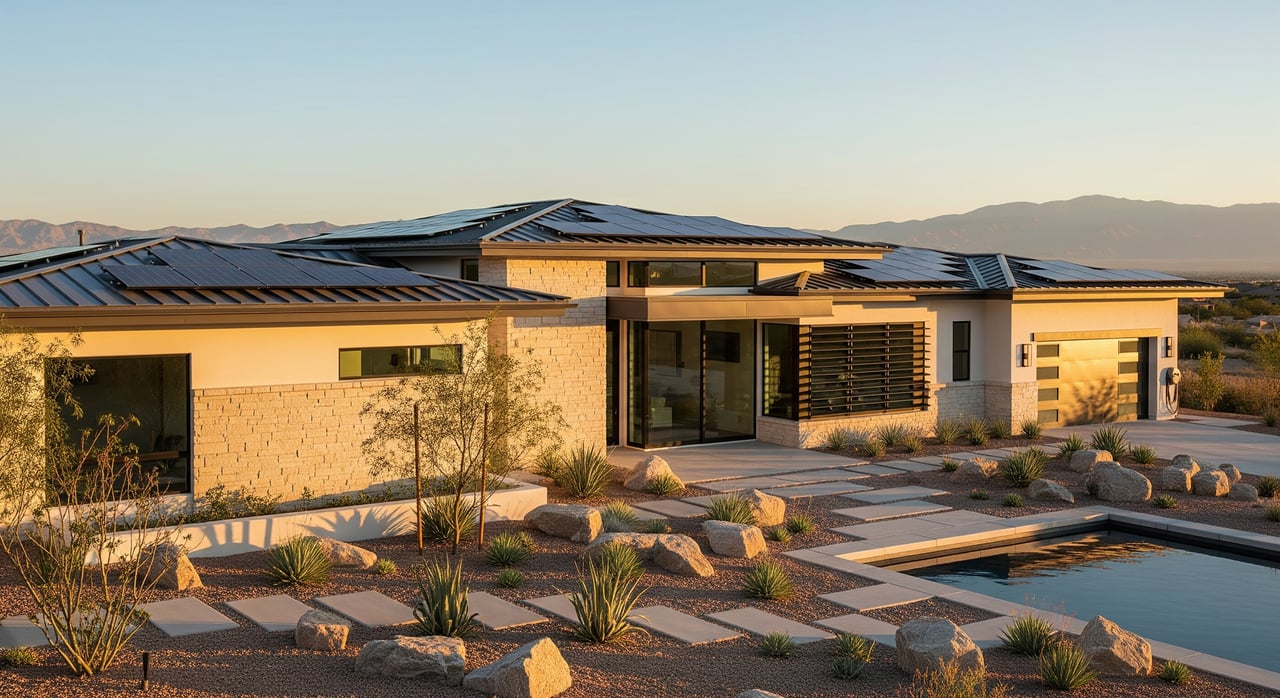
Thinking about listing your Centennial Hills home and wondering which energy upgrades actually help it sell? You are not alone. In our hot, sunny desert climate, buyers look for comfort and lower utility bills right away. This guide shows you which features stand out in northwest Las Vegas, how to prioritize upgrades, and what to document so you capture the most value. Let’s dive in.
Why efficiency sells in Centennial Hills
Centennial Hills sits in a hot, arid zone with long, very warm summers and intense sun. Upgrades that reduce heat gain and cooling load deliver real comfort and cost savings. The U.S. Department of Energy’s guidance for hot-dry climates emphasizes sealing, shading, efficient HVAC, and smart controls as high-impact moves for homes like yours, which you can explore in the Energy Saver resources from the U.S. Department of Energy.
Buyers here often ask about summer comfort, monthly power bills, and low-water landscaping. Industry surveys also show that energy-smart features can support a faster sale and stronger offers, though the effect varies by neighborhood and market conditions. You get the best results when upgrades are visible, well documented, and matched to local climate needs.
High-impact upgrades that attract buyers
1) Replace or tune up HVAC and ducts
A high-efficiency AC or heat pump that is correctly sized and commissioned can make a clear difference during peak heat. Duct sealing and insulation reduce losses that many tract homes experience. When your system is aging, a professional replacement with documentation of SEER ratings and install dates gives buyers confidence.
- Check current HVAC rebates and requirements through NV Energy. Programs change, so confirm before you schedule work.
- Always use a licensed contractor and secure required permits for new HVAC. Keep receipts and inspection records.
- If full replacement is not needed, invest in a professional service, refrigerant check, and duct sealing for quick wins.
2) Target window and door performance
In our sun-heavy environment, west and south exposures drive cooling loads. Upgrading problem areas with low-E, double-pane windows that meet Southwest criteria can cut heat gain. Weatherstripping doors and sealing air leaks often costs little and pays off right away.
- Use the ENERGY STAR guidance for windows and doors to compare U-factor and SHGC ratings.
- Consider solar films, quality blinds, or exterior solar screens on the hottest elevations if full replacement is not in budget.
- Provide a window schedule, labels, or spec sheets in your listing packet.
3) Add shade, attic insulation, and cool roof strategies
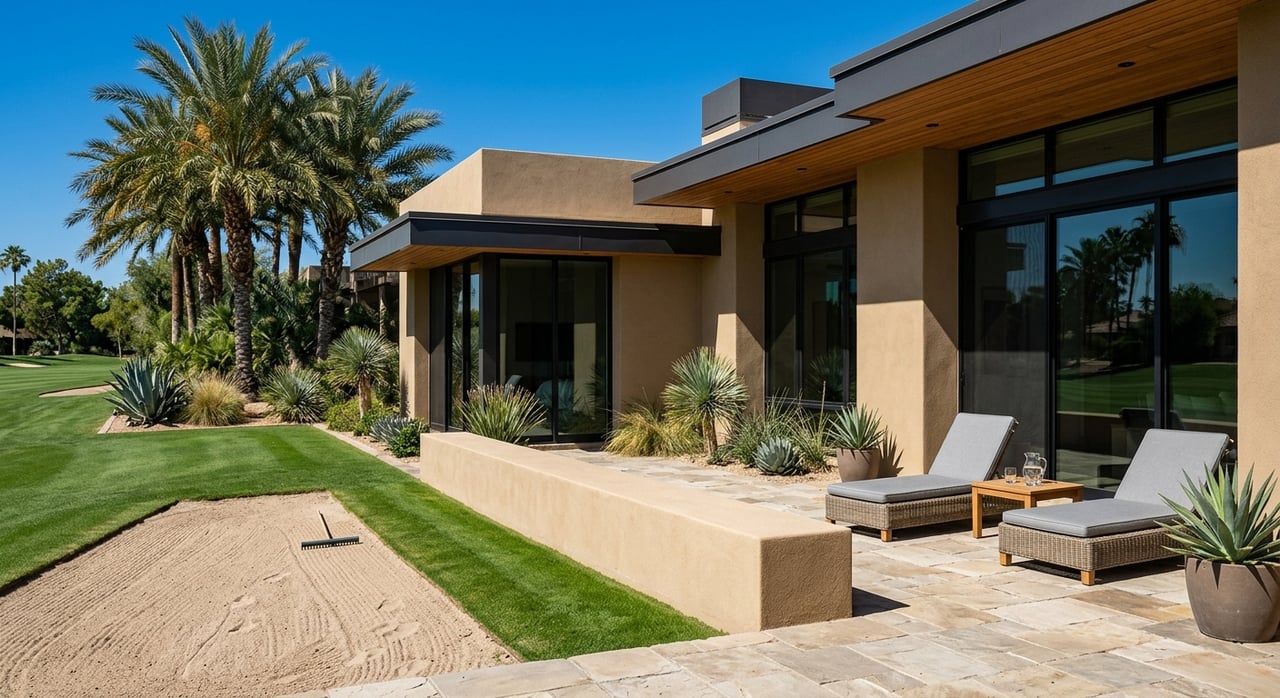
Exterior shade reduces solar heat before it reaches your home. Covered patios, pergolas, and shade sails are noticeable to buyers and make outdoor living spaces usable in summer. Inside the envelope, attic insulation and proper ventilation limit heat transfer. If you plan a roof refresh, ask about reflective “cool roof” options the next time you re-roof. The DOE’s overview on cool roofs explains how reflective materials reduce heat gain.
- Fixed shade structures and roofing work may require permits. Verify local requirements before building.
- Stage shaded outdoor areas with simple furnishings so buyers can feel the comfort difference on hot days.
4) Convert high-water turf to xeriscape
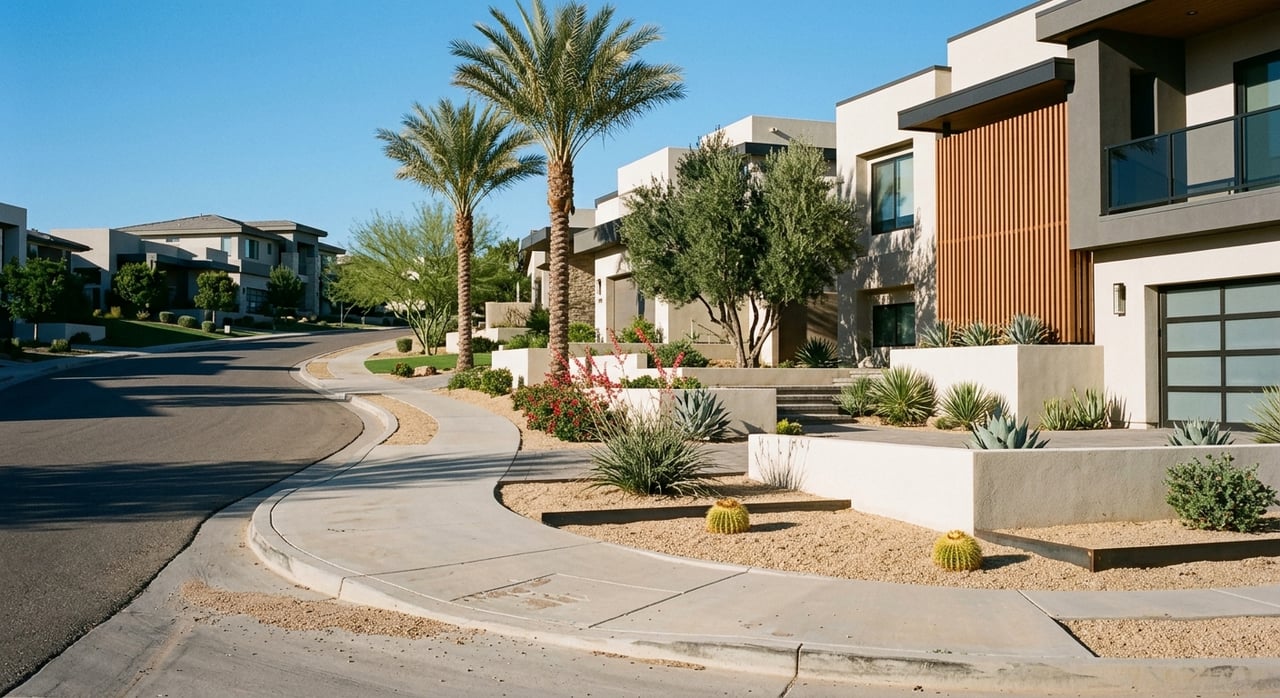
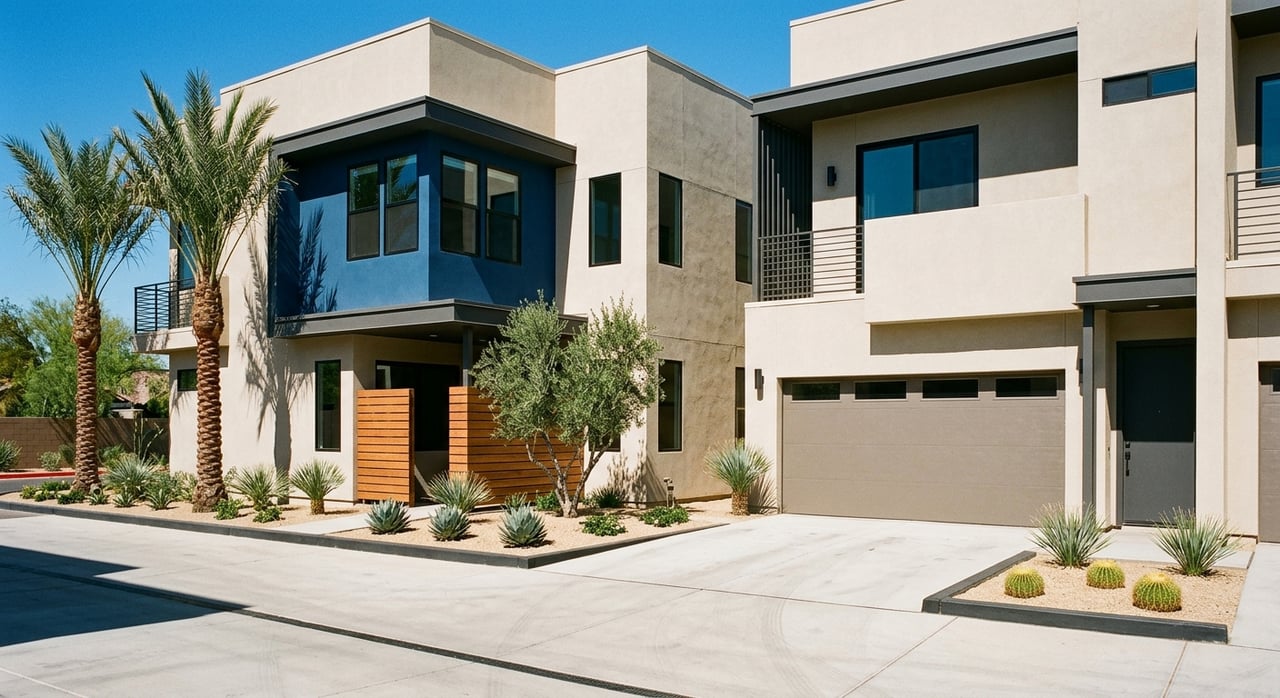
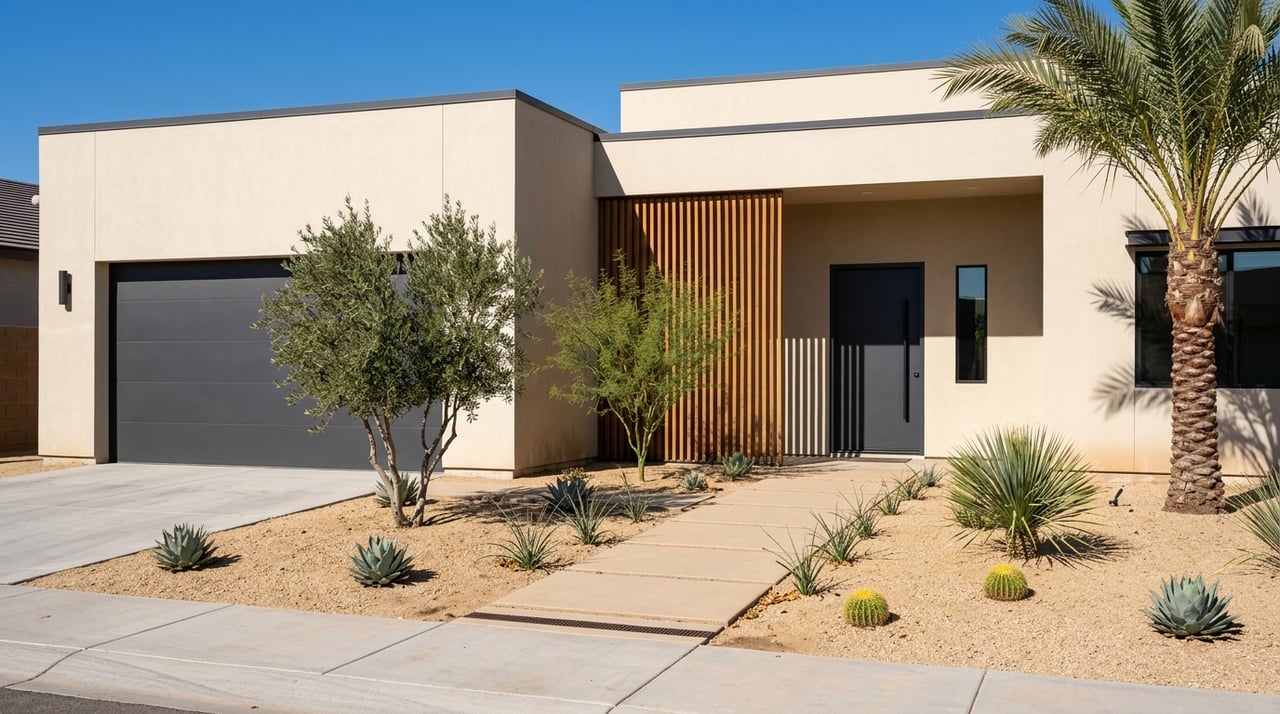
Water-smart landscaping is a big plus in the Las Vegas Valley. Xeriscaping with desert-adapted plants, rock or mulch beds, and drip irrigation lowers water bills and maintenance while boosting curb appeal. Smart irrigation controllers that adjust to weather are another efficient, buyer-friendly feature.
- Review turf removal and efficiency rebates with the Southern Nevada Water Authority before starting.
- Design matters. A clean, intentional layout with a few native shrubs and groundcover looks finished and inviting.
5) Install a smart thermostat and simple controls
Smart thermostats let you schedule, monitor, and adjust temperatures from your phone. Buyers recognize them as a modern, low-cost upgrade that improves comfort and can reduce cooling time. Check compatibility with your system and provide handoff instructions.
- Compare features using ENERGY STAR’s smart thermostat resources.
- If you have multi-story living, consider simple zoning or balanced airflow to keep rooms even.
6) Evaluate solar PV and optional battery storage
Rooftop solar can offset high summer electricity use. Owned systems are easier to sell than leased systems, which can add contract transfer steps for buyers. Battery storage adds backup and may improve self-consumption, but it increases project cost.
- Nevada policy and utility rules affect solar economics. Review local context with SEIA’s industry resources and check current interconnection and billing details with NV Energy.
- For federal incentives, confirm eligibility for the Residential Clean Energy Credit on the IRS website.
- Keep system ownership proof, production history, warranty details, and interconnection agreements ready for buyers.
What buyers want to see on showings
Buyers respond to visible comfort and easy ownership. A cool, steady indoor temperature during a hot afternoon speaks volumes. So does a shaded patio that feels pleasant in the sun.
- Display labeled HVAC equipment with a one-page summary of age, SEER rating, and maintenance.
- Place a small sign or flyer noting window specs or ENERGY STAR labels on upgraded windows.
- Set out a simple sheet showing average seasonal utility costs and any rebates received.
A focused pre-list action plan
Use this short plan to focus on high-impact, desert-smart improvements before you list:
- HVAC first. If your system is old or noisy, schedule a licensed inspection. Replace if needed or at least perform a full service and duct sealing. Save all records.
- Seal air leaks. Add weatherstripping and door sweeps where you feel drafts. Target the hottest rooms for any window improvements.
- Create shade and outdoor living. Add or highlight a covered patio, pergola, or shade sail, and stage it for comfort.
- Refresh the front yard. Convert visible turf to a simple xeriscape and check SNWA for rebate rules before you begin.
- Install a smart thermostat. Leave clear instructions for the buyer.
- Solar strategy. If you already have solar, assemble ownership and production documents. If you do not, assess current utility rules and incentives with NV Energy and the IRS guidance before deciding.
Documentation that helps your sale
Well-organized paperwork builds trust and can speed negotiations. Keep everything in one folder or digital packet you can share with your agent and buyers.
- HVAC: model numbers, SEER ratings, install date, permits, and maintenance logs.
- Windows and doors: U-factor and SHGC ratings, ENERGY STAR labels, and invoices.
- Insulation and roofing: scope of work, materials used, and any warranties.
- Landscaping: rebate paperwork, irrigation controller model, and plant list if available.
- Solar: proof of ownership or lease, production history, warranties, and interconnection agreements.
- Energy audit: blower-door or infrared findings with prioritized recommendations.
Budget-friendly wins if you are short on time
You do not need a full remodel to show well. Focus on heat and water where you can make fast progress.
- Air sealing, weatherstripping, and duct sealing are low-cost and high-impact.
- Exterior solar screens or film on the sunniest windows can be installed quickly.
- A simple xeriscape refresh with rock, mulch, and two or three hardy plants improves curb appeal fast.
- A smart thermostat install is usually a one-hour project.
How we help you prioritize and present upgrades
Every home and buyer pool is different, and market temperature matters. Our local team will walk your property, help you choose the right desert-smart improvements, and gather documentation that tells a clear story to buyers. We can also coordinate a light energy audit and connect you with reputable contractors.
Want to see how your upgrades could influence your price range? Use our instant valuation tool for a quick estimate, then combine that with a pre-list consult for a tailored plan. When you are ready, reach out to Marion Real Estate Services to get started.
FAQs
What energy-efficient upgrades have the best resale impact in Centennial Hills?
- Start with HVAC tune-up or replacement, duct sealing, targeted window improvements on hot exposures, shaded outdoor living, and xeriscape. These align with hot-dry climate needs and are visible to buyers.
Do I need permits for HVAC or shade structures in Clark County, NV?
- HVAC replacements and fixed exterior structures often require permits and final inspections. Use licensed contractors and verify local requirements before work begins.
How do buyers view leased solar systems during a home sale?
- Owned systems are simpler and often more attractive. Leased systems can transfer, but added paperwork and contract terms can slow decisions. Provide clear documentation early.
What window specs matter most in the Las Vegas Valley?
- Look for low U-factor for insulation and a low SHGC on west and south exposures to reduce heat gain. Use ENERGY STAR’s window criteria as a guide.
Are smart thermostats worth it if I am listing soon?
- Yes. They are low-cost, easy to install, and buyers recognize the value. Provide setup instructions so the new owner can take control on day one.
Where can I find reliable information on rebates and incentives in Nevada?
- Check NV Energy for utility programs, SNWA for turf removal and water-efficiency rebates, and the IRS Residential Clean Energy Credit page for federal incentives. For overarching solar policy context, review SEIA’s resources.