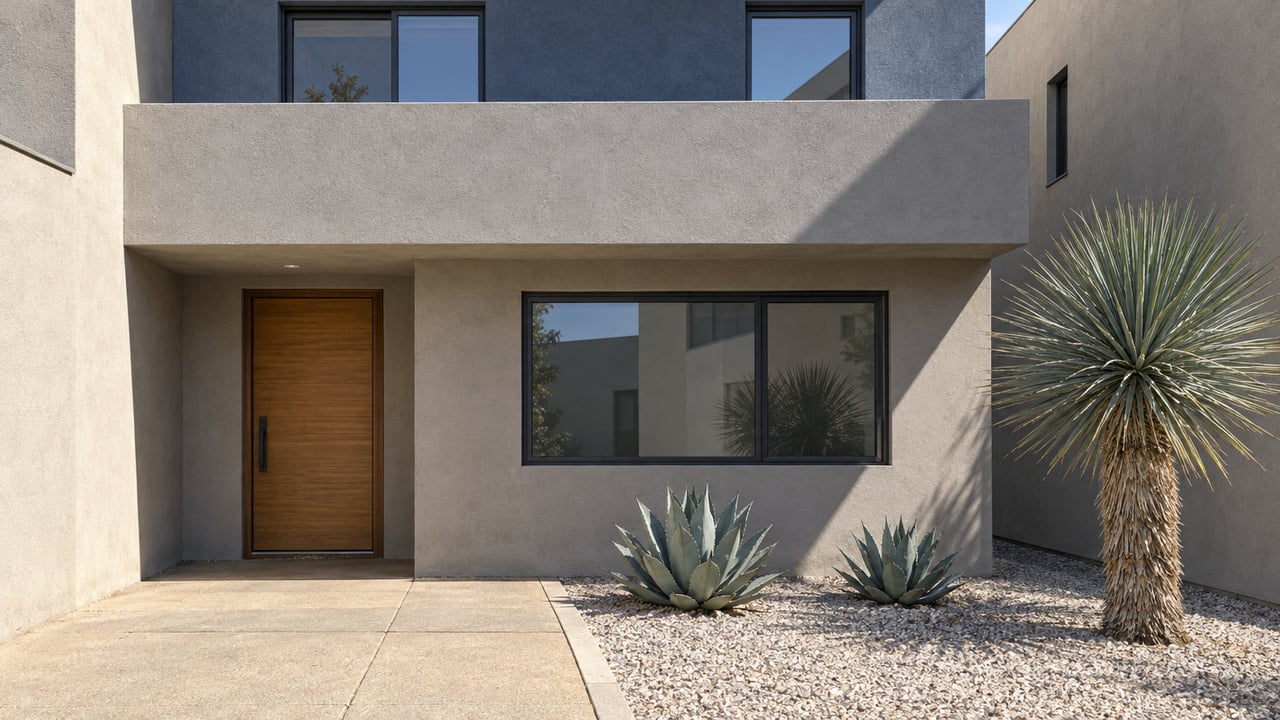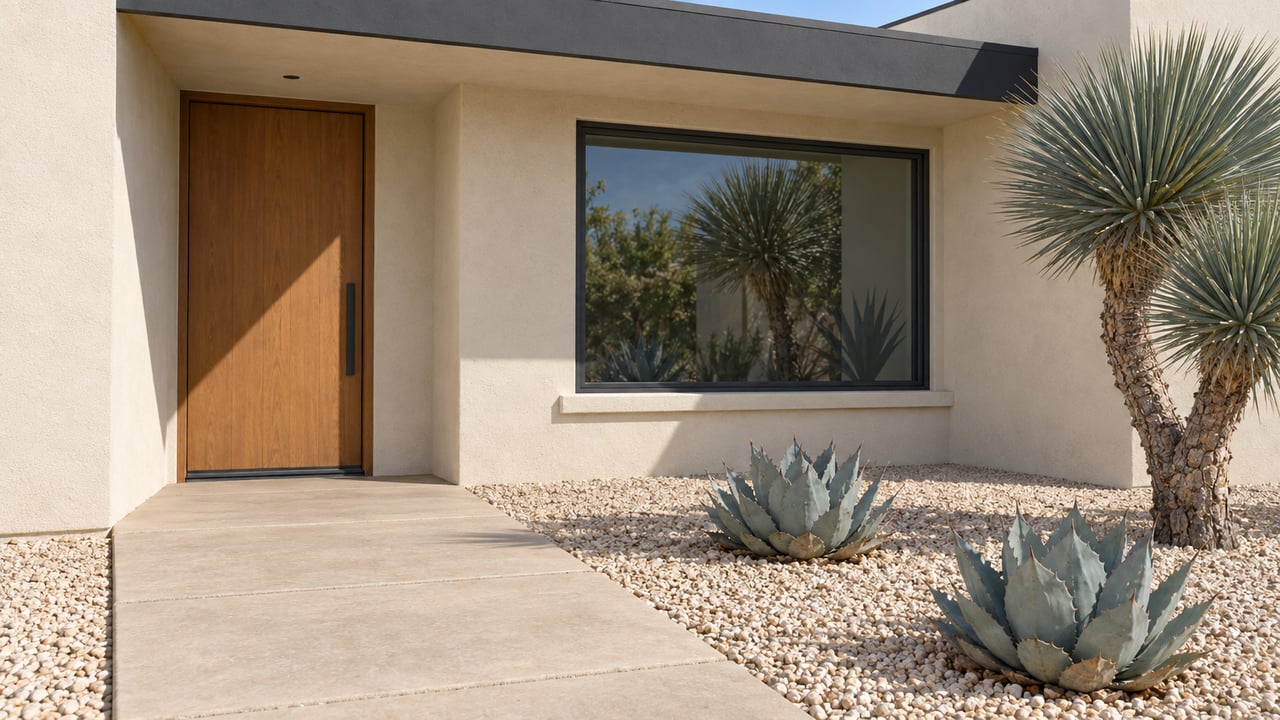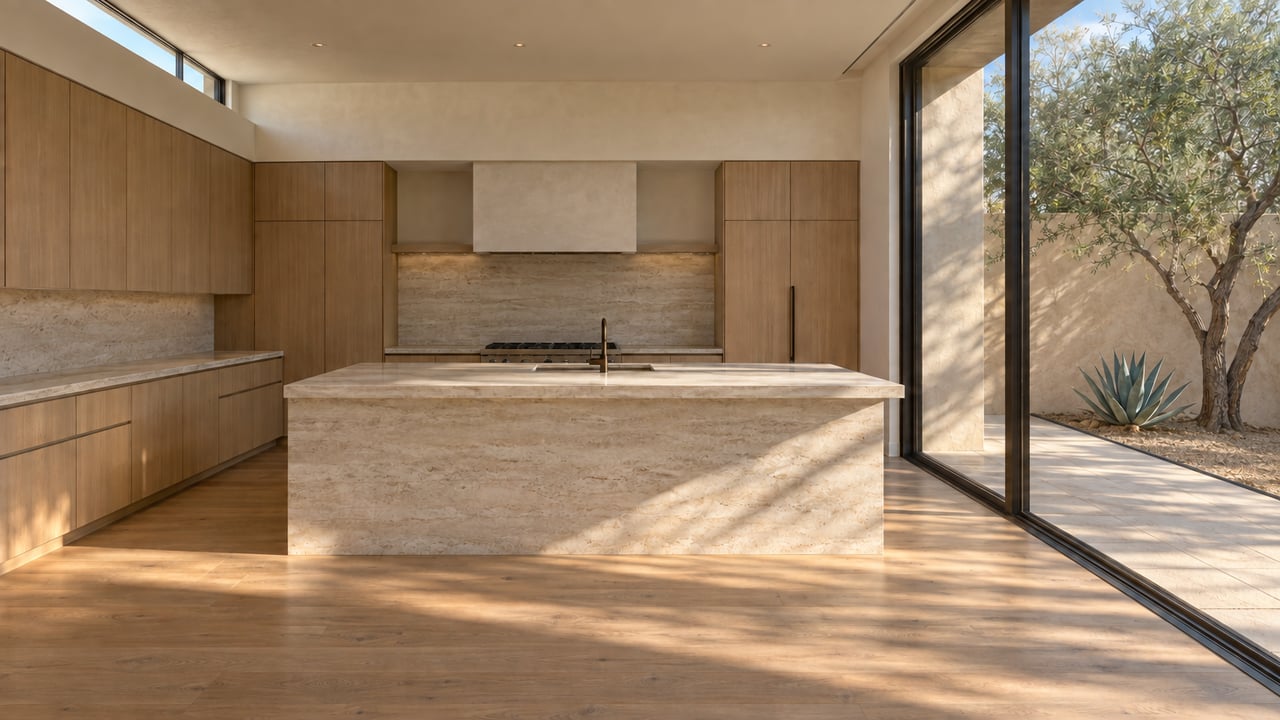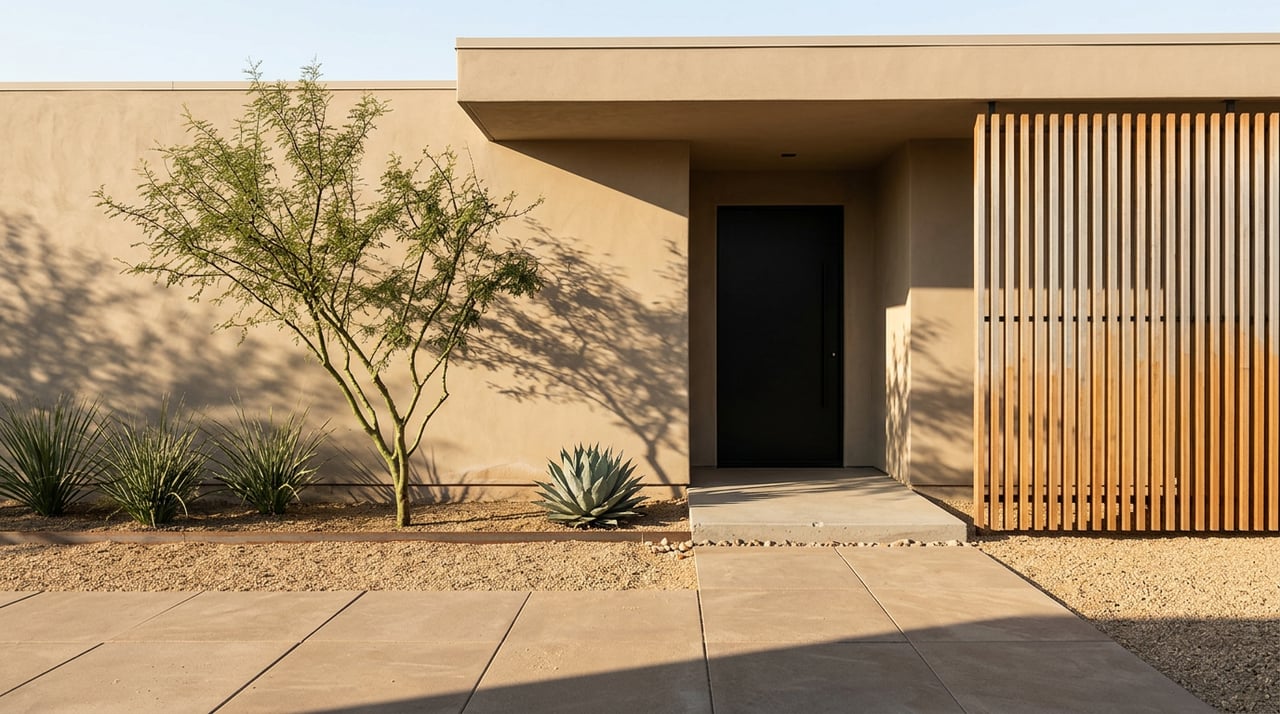
The pitch for a no-HOA home in Las Vegas is straightforward. Park the boat in the driveway. Paint the house whatever color you want. Convert the garage into a workshop after checking permit requirements. Older grid neighborhoods north and east of the Downtown Arts District, along with pockets in the 89104, 89110, 89102 and 89108 zip codes, still offer this kind of ownership with no monthly dues and no architectural committee standing between you and your own property.
HOA design review and a lender's appraisal serve different purposes; an appraisal is not a substitute for an HOA board. For a no-HOA home, unpermitted work may still become relevant when a buyer seeks financing: the appraiser evaluates the property after the buyer applies for a loan. If the appraisal affects the transaction, the timing can matter to both parties.
How an Appraisal Can Affect Unpermitted Work
In master-planned Las Vegas communities, an HOA architectural review committee typically signs off on additions, garage conversions and exterior changes before anyone breaks ground. That step doesn't exist in the older, no-HOA tracts that give the valley some of its most affordable inventory. Over decades, owners in these neighborhoods have added bedrooms, enclosed patios, converted garages and built casitas without ever pulling a city permit, because there was no board requiring it and, often, no one checking.
Additions remain part of the property when it sells, but their permit status can affect how they are treated in an appraisal.
How Appraisers Treat Unpermitted Space
A typical Las Vegas appraisal runs somewhere between $550 and $900 depending on loan type and takes five to ten business days to turn around. That's a small cost and a short window for something that can decide whether a financed deal survives. The appraisal can affect both buyer and seller if its value changes the financing picture.
Where This Actually Shows Up On The Map
Prices in these neighborhoods vary by location and by data source. In the Eastern Avenue corridor around 89104, medians reported this summer ran anywhere from the mid $200,000s up toward $390,000 depending on the data source and time window. The East Sahara and Sunrise Manor border area, 89110, showed a similarly wide spread, roughly $295,000 to $385,000. Head toward the Meadows Mall area in 89102 and the numbers climb into the mid $300,000s to low $400,000s, while the Decatur corridor in 89108 sat around $350,000.
Compare that to the valley as a whole, where the median sales price of an existing single-family home was about $480,000 in July 2026, down slightly from $490,000 the month before. These older, no-HOA-friendly pockets are running well under that valley median.
Checking County Records
Before an offer goes in, the county assessor's record for a property shows the permitted square footage and room count on file, which is precisely what an appraiser checks against what a buyer actually walks through. A mismatch between those two numbers is usually the first sign something wasn't permitted.
Fixing It Happens At The Building Department, Not The HOA Meeting
The City of Las Vegas Building Department publishes a homeowner's guide to when a permit is required, and it's worth reading before assuming a renovation was minor enough to skip. Structural changes, added bedrooms, electrical panel work, plumbing that moves fixtures, HVAC changes and anything attached to the exterior like a patio cover generally need one. Paint, flooring and cabinet swaps generally don't.
For sellers who discover unpermitted work already in the house, a retroactive permit is usually available. It means submitting plans, scheduling the structural, electrical, plumbing or fire inspections the scope requires, paying the associated fees, and getting final sign-off. That process almost always takes longer and costs more than pulling the permit up front would have, since inspectors are working from behind walls that are already closed up. Work done by a previous owner tends to get more leniency from inspectors than a current owner's own recent, undocumented project.
Before You Write An Offer On A No-HOA Home
- Pull the county assessor record and compare the listed square footage and room count against what you actually tour.
- Ask directly, in writing, whether any additions, casitas, garage conversions or patio enclosures were permitted, and when.
- If the seller discloses unpermitted work up front, get the scope in writing before removing your inspection contingency.
A Few Questions Worth Settling Early
Does no HOA mean no rules at all? No. Zoning and the building codes enforced by Clark County or the City of Las Vegas still apply regardless of whether a home has an HOA. An HOA controls things like paint color and fence height. Permits control what can legally be built and what a lender will finance against.
Will any unpermitted addition sink my appraisal? Not automatically. Cosmetic work like paint, flooring or cabinet replacement doesn't need a permit and won't raise a flag. Structural changes, added bedrooms, electrical panel upgrades and anything touching plumbing or HVAC are where appraisers and lenders start asking harder questions.
Can I still get a loan on a home with unpermitted work? Often, yes. A conversation with your lender before you write the offer, not after the appraisal comes back, is the difference between a manageable gap and a deal that falls apart.
No-HOA living in Las Vegas offers flexibility, and permit history can be relevant when a buyer finances a home. If you're weighing one of these older neighborhoods against a master-planned community with a homeowners association, or you're trying to figure out what a specific no-HOA listing is actually worth once its permit history is accounted for, Marion Real Estate Services can walk the property records with you before you write an offer. Get your instant home valuation and we'll go through what's on file for your street.
This article is general information, not legal, tax or financial advice. Consult a qualified professional about your situation.